

5g Software Architecture
5G Software Architecture
Previously, we’ve looked at the hardware requirements of 5G. This week, we will take a look at the software infrastructure targeted for 5G deployments. There are published concepts and specifications by vendors like Intel and standards organizations such as O-RAN and OpenRAN. However these concepts are a bit nebulous, and these concepts may not work with all the potential use cases of future 5G deployment. Many of these concept and specs are focused on carrier grade deployments, and there are many potential 5G customers outside of telecom applications such as manufacturing campus or huge vessels.
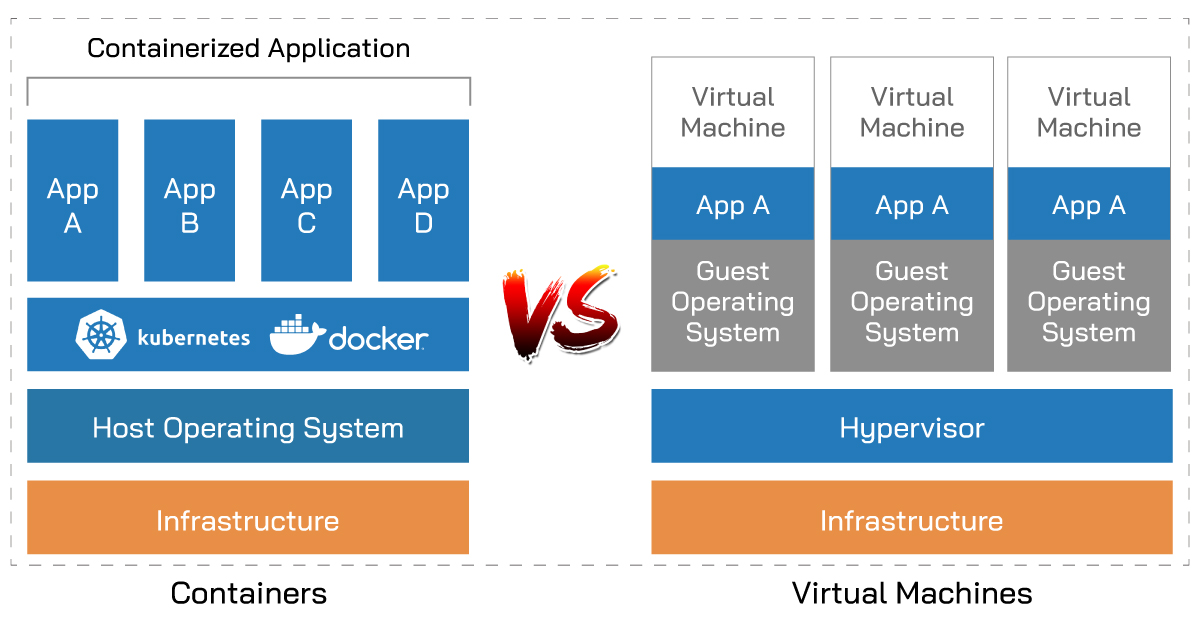
There is a common trend among the different designs: the software stack is going away from bare-metal and moving towards virtualization or containerized software stack with centralized management software to easily deploy and manage all the nodes. Solutions from RedHat, VMware, and other leading software vendors all coming with VM and container management solution that can host customized 5G software stack. Intel is in on the action as well with the virtualized FlexRAN solution. The aim of these software stack is chaining together a cohesive stack of centrally managed software.
One of the leading VM software suite vendor, VMware, is integrating container support into their vSphere virtualization platform, showing how the container concept is catching on and can no longer be ignored by virtualization specialists. Red Hat, another juggernaut in enterprise OS and virtualization platforms introduced OpenShift container management platform. Even Microsoft got in on the container band wagon, integrating OpenShift into their Azure hybrid cloud computing platform.
For those with limited scale or budgets, Docker containers deployed through Kubernetes orchestration system are available freely. These open source alternatives don’t give up on features. The biggest difference, as usual in the open source landscape, is support. Professional support is available from the boxed software vendors, where as in open source alternative you will rely on documentations and community support for debugging issues that may arise.
The software stack is paramount moving away from proprietary vendor solutions and towards open standards software and hardware. This will bring down the hurdle for enterprises and business who wish to build private 5G networks for their internal needs. This allows open competition on the hardware front. It is great for hardware vendors, despite the increased competition. It forces vendors to innovate to attract customers as well as building on their own vision of 5G hardware to carve out specific niche markets. One size fits none and through the competition, it will allow customers to find hardware that fits their exact needs and choose software that will integrate well into their existing software infrastructure. What we’re envisioning is enterprises will choose to run a base OS they’re familiar with, such as RHEL or CentOS, then run a vendor provided KVM or, more likely, containers that bundles all the software required. Software and hardware vendors will need to work closely to provide application optimized solutions.
Thanks for joining us again for another look at 5G. We’ll revisit this topic as industry trends becomes more concrete. All-in-one small-cell looks like the next hot 5G topic, and we’ll definitely look deeper into that in a future blog post.