






We use cookies to allow our website to work properly, personalize content and advertising, provide social media features and analyze traffic. We also share information about your use of our site with our social media, advertising and analytics partners
2024.03.22
Deploying AI to Optimize Cybersecurity
As cyberattacks become more sophisticated, AI’s role in defense is expected to be more crucial. Due to fast-evolving cyber threats and data surge, traditional methods are hard to keep pace with them. The integration of AI and machine learning technologies enable advanced cybersecurity solutions with excellent efficiency and enhanced defensing power to deal with the dynamic environment.
2024.02.26
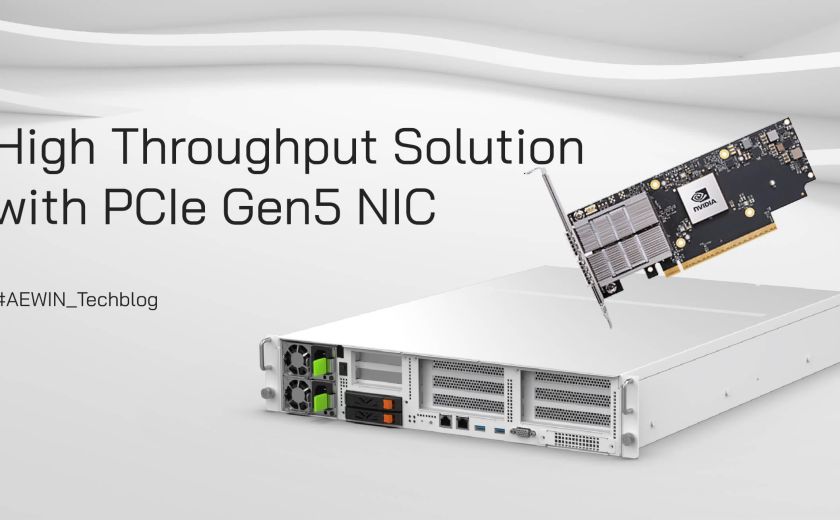
High Throughput Solution with PCIe Gen5 NIC
The amount of data surges unprecedented by increased connectivity and the development of digitization of various aspects of daily life. Higher throughput platforms are required to handle and process the exponential growth of digital data not only in data transfer,

2024.02.22
Introduction to Intel Accelerator Engines
Exponential growth of the data has been a consistent trend. Diverse applications including AIoT, intellectual storage, AI powered cybersecurity, generative AI have been developed rapidly along with it. It is crucial to transmit, store, analysis, and make use of them in a smarter way.
2024.02.06
Introduction of storage options for AEWIN’s Platform
In a server/embedded platform environment, storage devices play a critical role in managing and providing access to vast amounts of data that servers need to store and retrieve. The selection of storage devices in a server setup is crucial for achieving optimal performance, reliability, and scalability. Here’s an introduction to common storage options in current standard AEWIN platforms.